





It's mid-November. At the stationery store you see next year's planners and think: “I'll start it in January.” Then January arrives, with its meetings, its post-holiday budget crunch and its to-dos, and the planner stays in your backpack.
An undated planner is a planner with no printed dates: you write in the day, the week or the month, and you start it whenever you want. It doesn't depend on the calendar. If you open it on a Tuesday in November, that Tuesday is your page one. If you stop using it for two weeks, there are no wasted pages with dates that have already passed. It works for organizing a full year, it's just that the year begins when you decide.
The difference between an undated planner and a dated planner
A dated planner tells you what day it is. An undated one asks you which day you want to be your beginning.
In practice, the difference shows up at three moments:
- When you start late. With a dated planner, buying it in March means leaving January and February blank. With an undated one, March is the beginning.
- When you step away. A week of vacation, a heavy month at work, a cold that knocked you out. In a dated planner those pages stay empty and look like a failure. In an undated one you simply pick up where you left off.
- When your rhythm isn't the calendar's. Some people think of their year by school semesters, work seasons or projects. An undated planner adapts to that.
It's not that one is better than the other. If you like having everything printed and don't want to write dates, a dated planner will work for you. If you've ever abandoned a planner halfway through, an undated one takes that pressure off.
2027 planner or undated planner?
If you're looking for a planner for next year, the real question is when you're going to start it and how consistent you're going to be.
- A 2027 planner comes with every day printed starting January 1. It works if you like finding everything ready and you know you'll open it almost daily.
- An undated planner does the same job, a year of planning, but you write the dates. If you buy it in November 2026, you don't have to wait: the last days of the year can be your page one, and if you stop using it for two weeks in March, you don't lose pages.
Starting before January has concrete advantages: you reach the new year with the habit already going, you use the last weeks to close out pending tasks and you test which format works for you (daily list, weekly view, loose notes) before the year really gets going.
How to start an undated planner, step by step
If the blank page stops you, here's a simple way to begin. None of this has to look pretty.
- Write today's date on the first page. That's your day one. If you like, also note why you're starting it: one sentence is enough.
- Make a monthly view. Write down the days left in the month and mark what you already know is going to happen: a birthday, a deadline, a trip.
- Open the week. On a spread, write the seven days and under each one, two or three things. No more.
- Leave space for loose notes. Ideas, grocery lists, the name of that show someone recommended. A planner is also a place to keep what you don't know where to put.
- Come back tomorrow. You don't need to fill every day. What builds the habit is coming back, even if it's with a single line.
If you don't open it one day, that's okay. That's exactly the point of not having dates.
If you already have one and want to make the most of it, here's how to organize a personal planner step by step.
What to write in an undated planner (besides to-dos)
Many people use their planner only for appointments and deadlines, and that's fine. But a planner without dates can also be a bit of a journal, a bit of an idea notebook. Some things that fit:
- One line at the end of each day: what went well, what felt heavy.
- Habits you want to keep: drinking water, walking, reading before bed.
- Goals for the month, written as if they were already happening.
- Dates you don't want to forget: birthdays, anniversaries, renewals.
If you want to go beyond to-dos and don't know where to start, what journaling is has ideas for starting to write about yourself, not just your calendar.
How to choose an undated planner
Before you buy one, look at three things:
- That it lays flat. If you have to hold it open with your hand so it doesn't close, you'll write less.
- The paper. Thick paper holds up to gel pens and highlighters without showing through to the next page.
- The size. A planner that fits in your bag is a planner you take with you. A very big one stays on the desk.
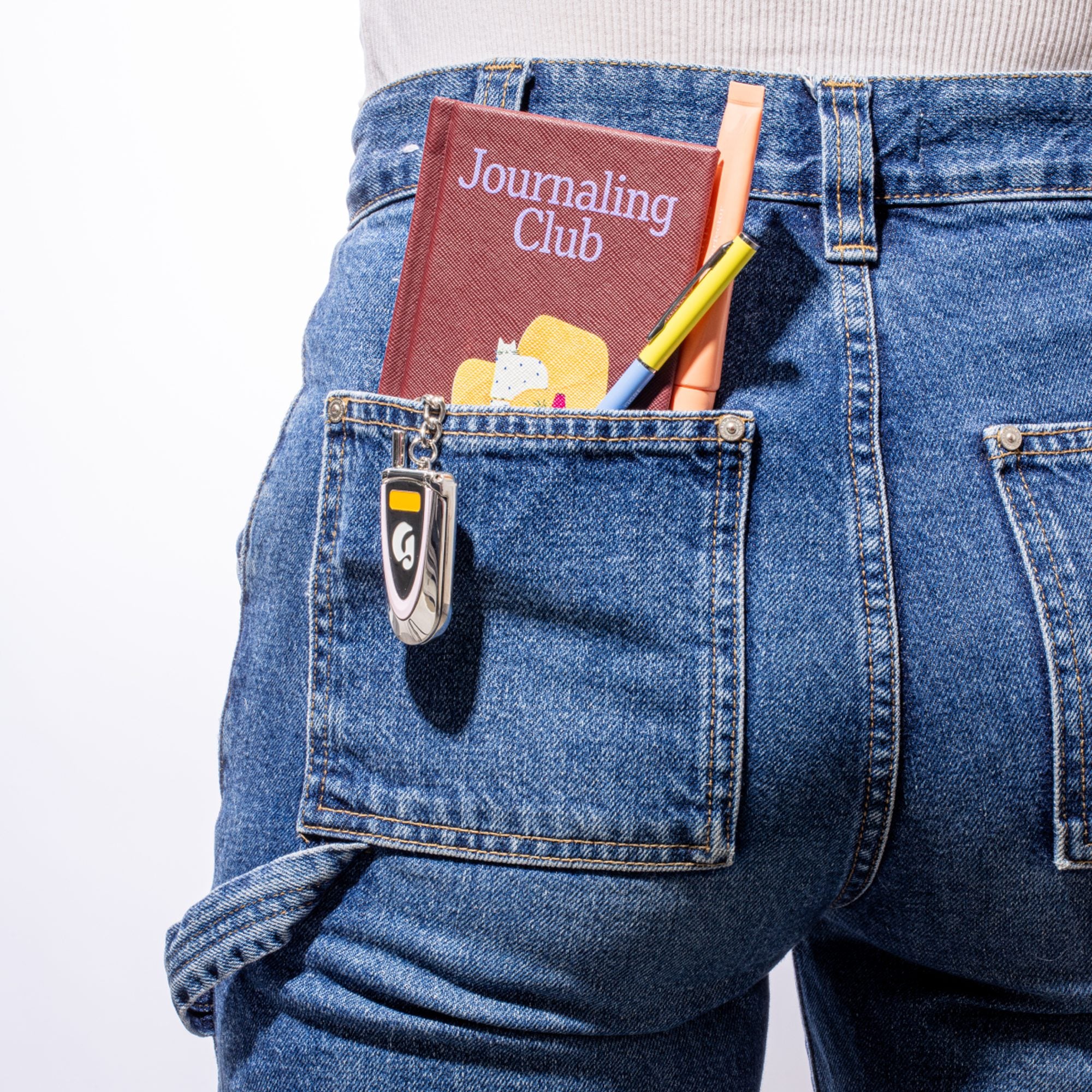
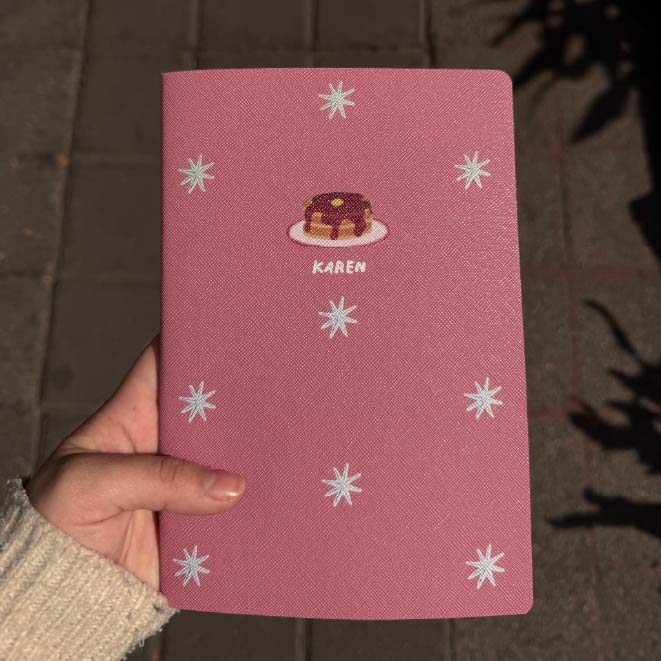
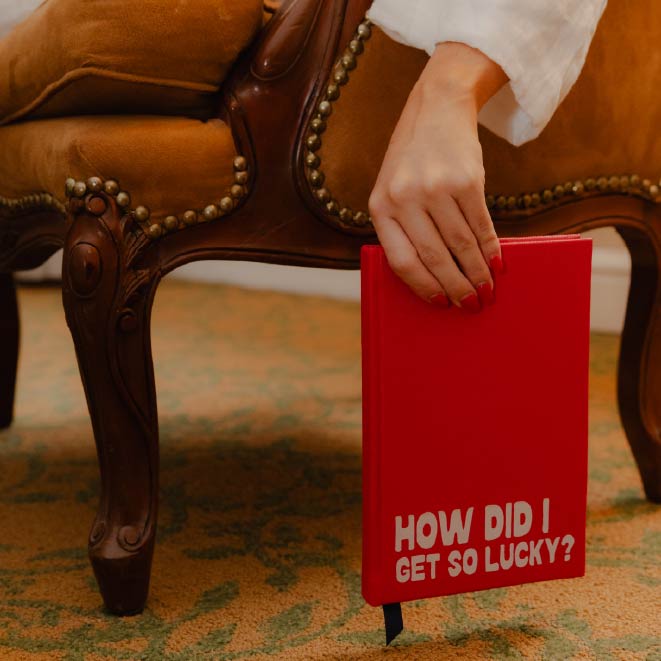
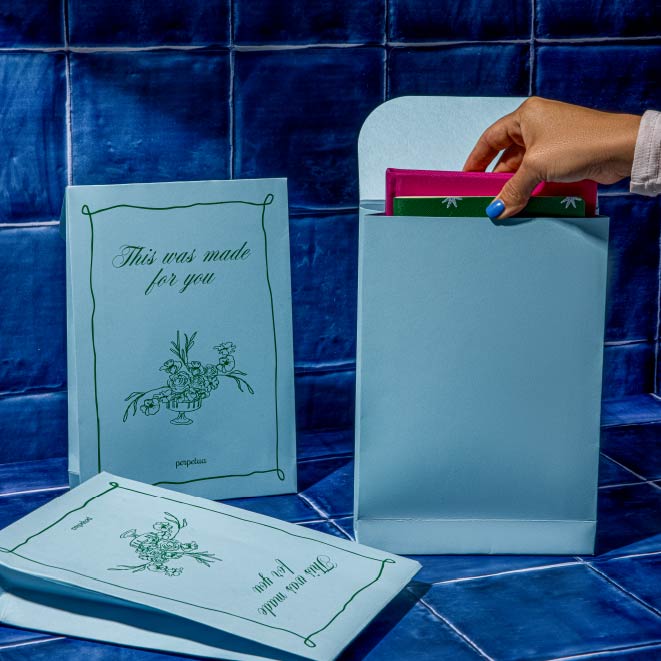
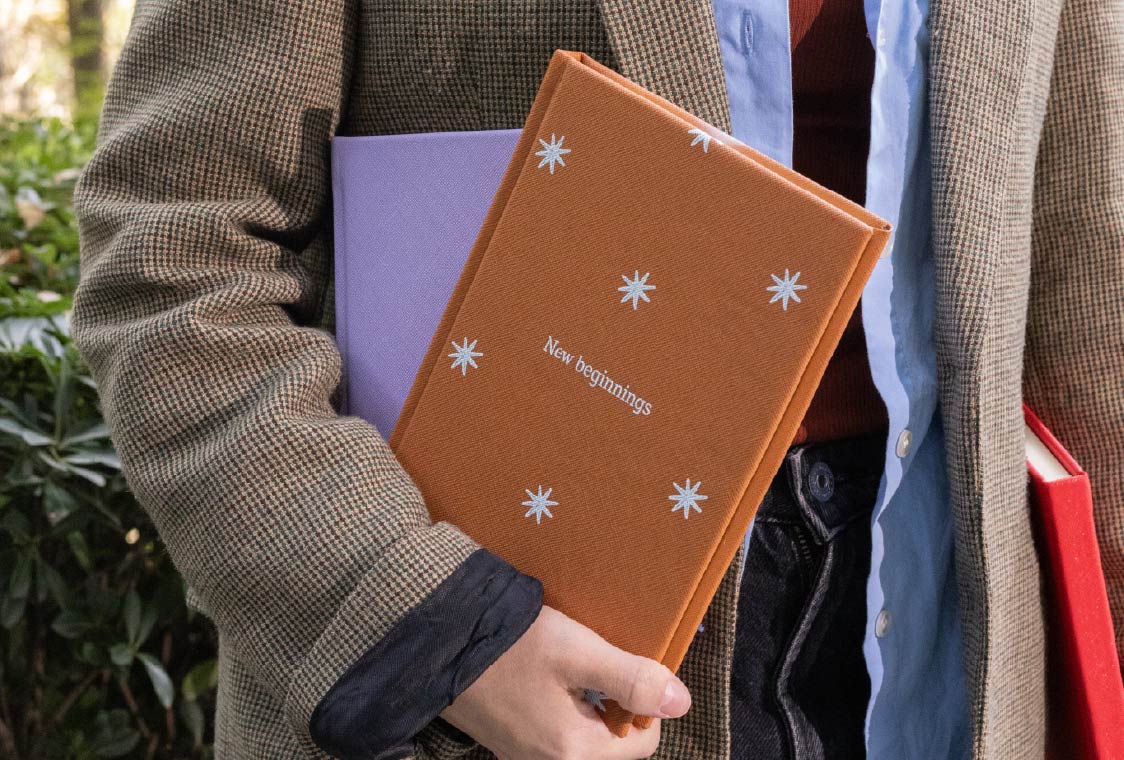
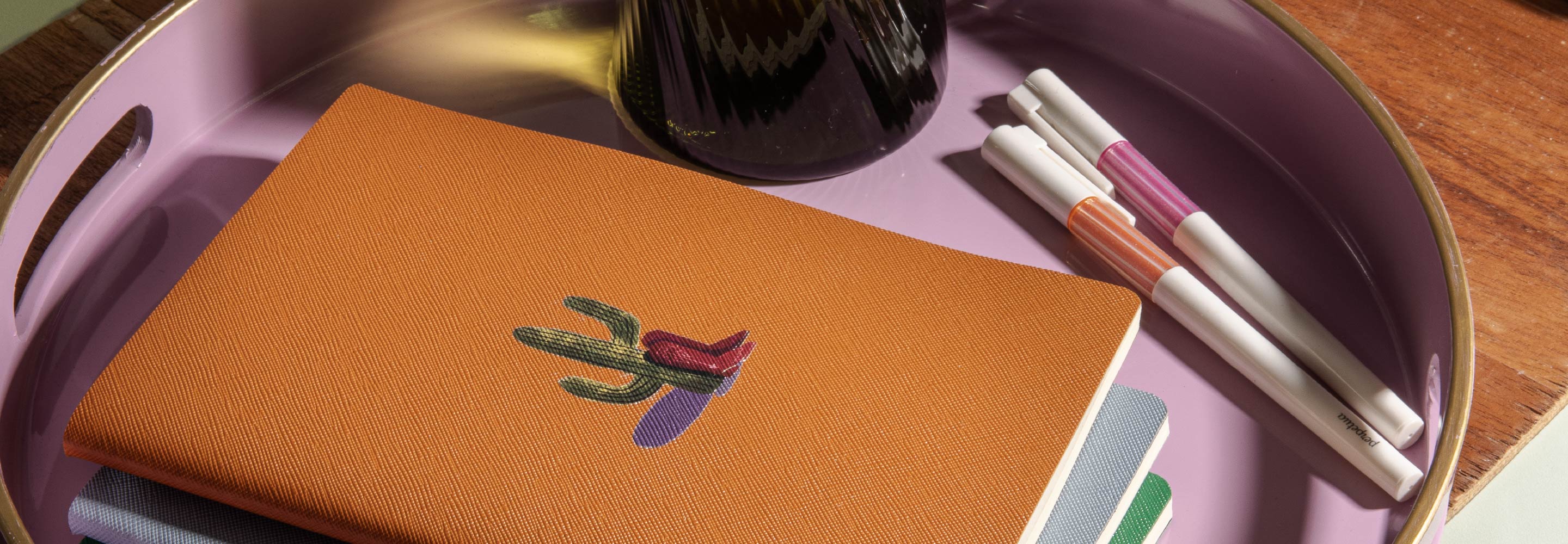
The Perpetua Undated Planner measures 12.8 × 18 cm and has 160 undated pages designed for one year, with 90 g cream bond paper. The cover is rigid board wrapped in leatherette, it lays flat and has a ribbon bookmark. It's a personalized planner if you want: your name or a phrase is engraved on the cover, and you see the preview before you pay.
In the end, the planner that works isn't the most complete one. It's the one you're still opening in April.
Frequently asked questions
What does it mean for a planner to be undated? That it has no printed days or months. You write the dates, so you can start it any day of the year and you don't lose pages if you stop using it for a while.
Does an undated planner last a year? It depends on how you use it. The Perpetua Undated Planner has 160 pages designed for one year, but that year begins the day you decide, not on January 1.
How do you do monthly planning in an undated planner? At the start of each month, write its days on a page and mark what you already know: birthdays, deadlines, trips. Then open the first week. Since there are no printed dates, the month starts wherever you left off.
Leave a comment
This site is protected by hCaptcha and the hCaptcha Privacy Policy and Terms of Service apply.