






You're standing in front of the shelf with two options in your hands. One has room for every week of the year. The other, nothing but lined pages. You like both, and you don't know which one you'll actually use.
The difference between a planner or a notebook comes down to what you want it for: a planner organizes your time (days, weeks, appointments, to-dos with a date), and a notebook holds what you think (ideas, lists, notes, journaling) without asking you for any order. If what weighs on you is forgetting things and not knowing what's due each day, you need a planner. If what weighs on you is a full head and nowhere to empty it, you need a notebook. And if it's a bit of both, there are ways to combine them without carrying three notebooks.
What a planner is and what it's for
A planner has a structure built around time. It's for:
- Writing down appointments, meetings and deadlines with a date.
- Seeing the whole week at a glance.
- Planning the month and the year.
- Tracking habits day by day.
There are dated planners, with every day printed, and undated planners, which have no dates and can be started any day. Undated planners have one advantage: if you stop using it for two weeks, you don't lose any pages. That's why they're a good option if you've ever left a planner half finished.
What a notebook is and what it's for
A notebook doesn't tell you what to write or when. It's page after page, blank or lined, and you decide how to use it. It's for:
- Journaling: writing about how your day went, what you feel, what you're thinking.
- Lists: books to read, places to visit, gift ideas.
- Notes from classes, courses or meetings.
- Drawing, sketching diagrams or mind maps.
Freedom is its strength and also its challenge. Some people open a blank notebook and don't know where to start. If that's you, journaling prompts help with that first page.
Five questions to know which one you need
Answer honestly, not thinking about who you'd like to be, but about who you are today:
- Do you forget dates? Birthdays, payments, appointments. If the answer is yes, a planner will serve you better.
- Does your day change a lot from one week to the next? If you work by projects or don't have a fixed schedule, a notebook gives you more flexibility.
- Do you want to write about yourself, not just about to-dos? For journaling, the notebook wins: there are no boxes to limit you.
- Have you abandoned a planner before? Maybe it wasn't the planner, but the printed dates reminding you of the days you didn't write. Try an undated planner or a notebook.
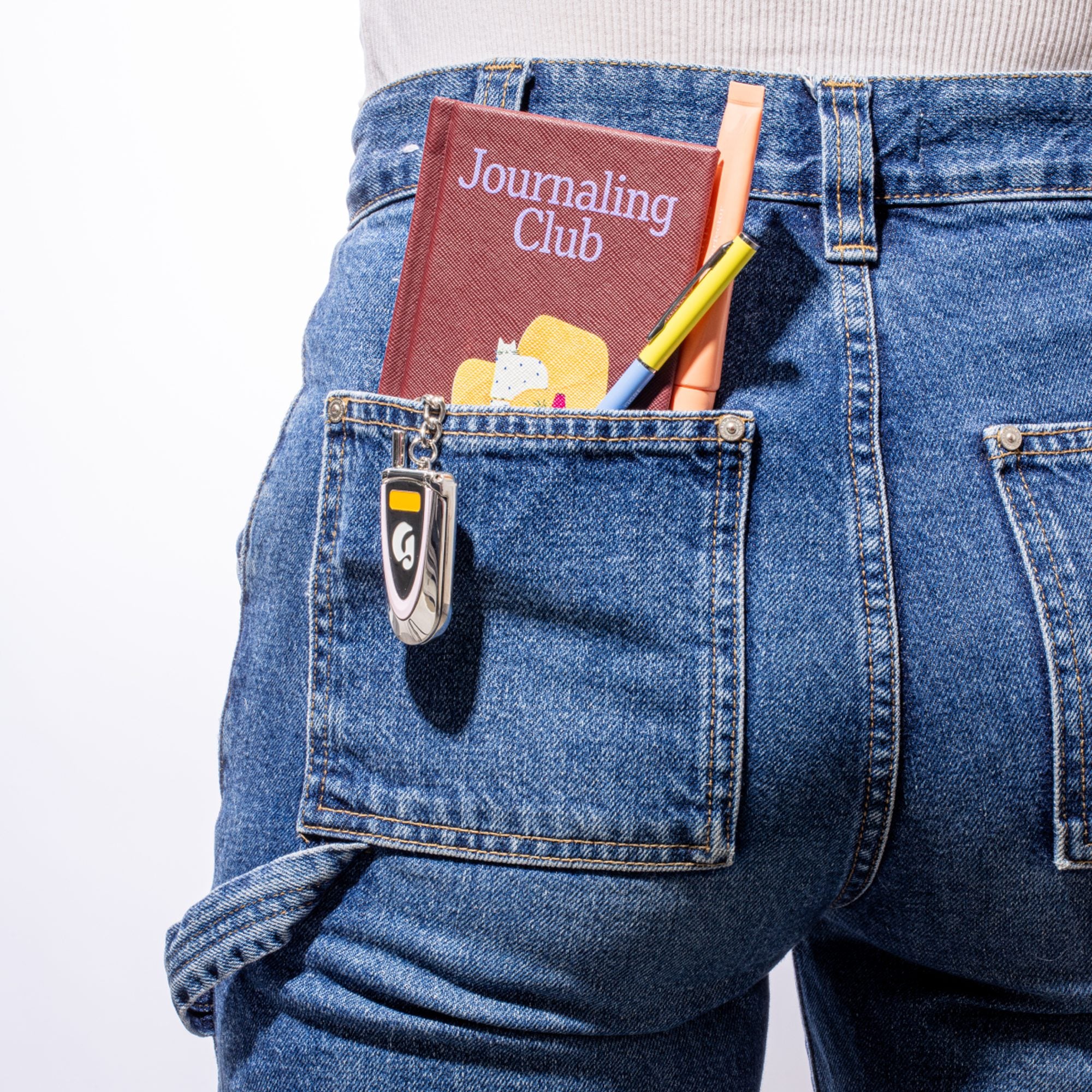
- Will you carry it all day? Size matters as much as what's inside. One that fits in your bag gets used more.
If you said yes to number one and no to number three, go for a planner. If you said yes to number three, go for a notebook. If you landed somewhere in the middle, keep reading.
What if I need both?
It happens a lot. You have meetings and deadlines you can't forget, but you also want a place to write without structure. There are three paths:
- A planner and a notebook. The planner for time, the notebook for everything else. It works if you don't mind carrying two.
- Just a notebook, with your own structure. Dedicate a spread to the week and the rest to free notes. That's the logic of the Bullet Journal: you build the planner inside the notebook.
- Just a planner, using the notes pages. Many planners include space to write. If your thing is short lists and few reflections, it may be enough.
There's no right answer. There's the one you're still using in March.
What to look for when buying either one
Planner or notebook, these three things change how you'll use it:
- That it lies flat. Writing on a page that keeps closing on its own is tiring, and you end up giving up on it.
- The paper weight. With 90 g paper, gel pens and highlighters don't show through to the back of the page.
- The inside. Lined if you write a lot of text; blank if you draw, make tables or prefer no lines.
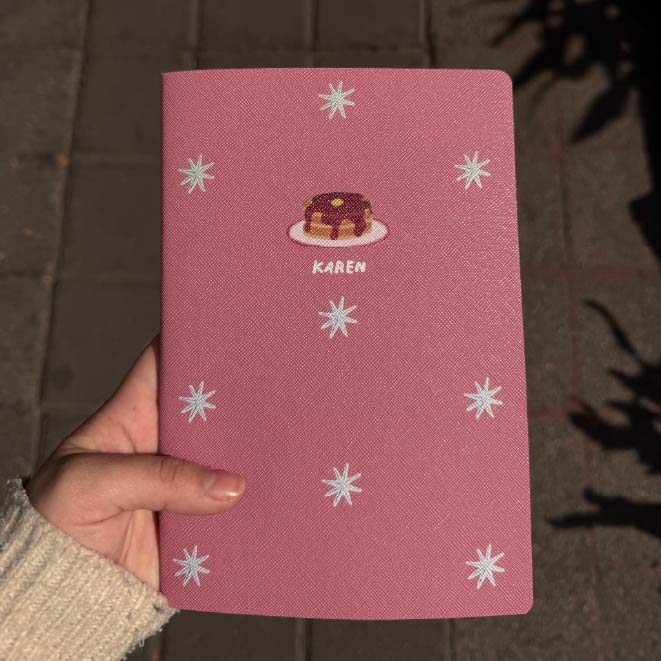
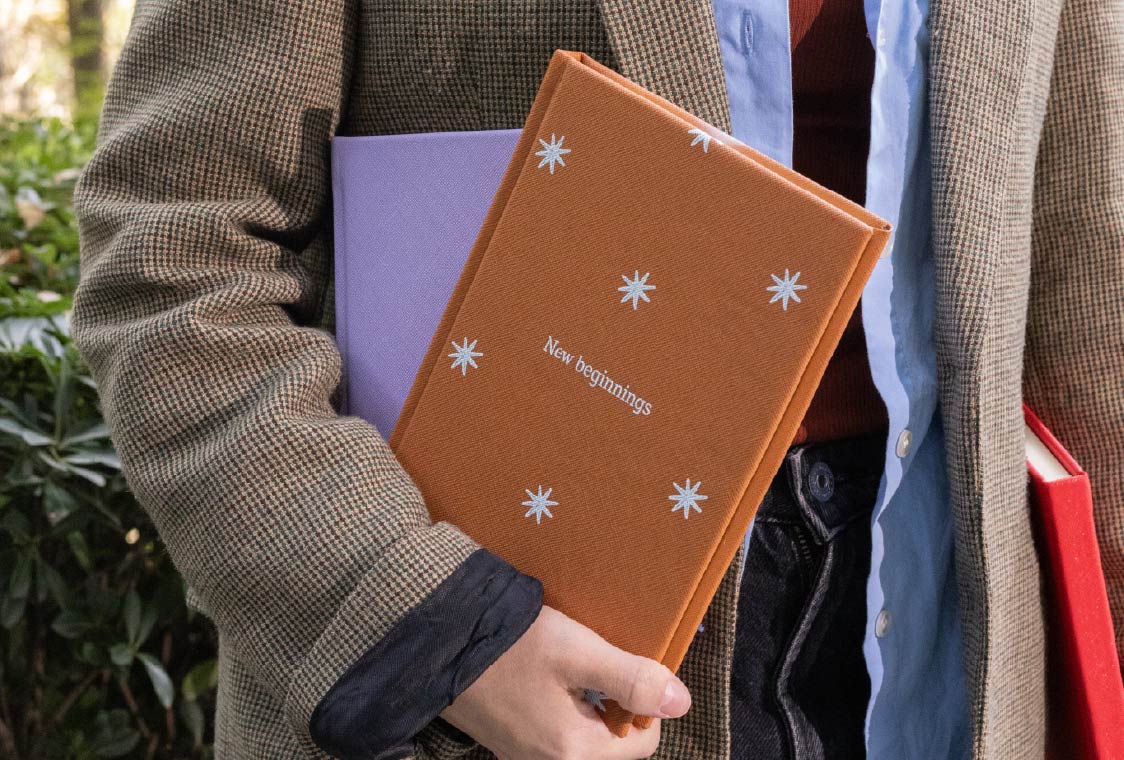
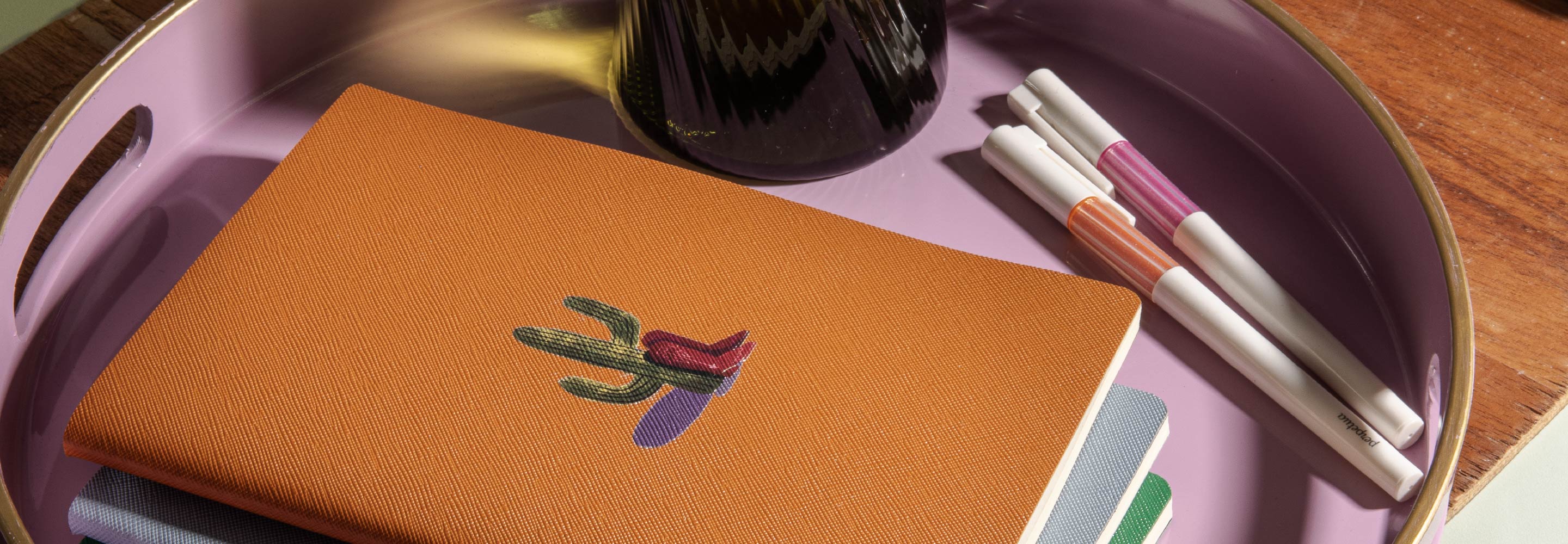
If you're leaning toward a notebook, Perpetua's Hardcover Notebook has 192 pages of 90 g ivory bond paper, measures 14.8 × 22.2 cm, lies flat and comes blank or lined, with a ribbon bookmark. You can have your name or a phrase engraved on the cover. If you're leaning toward a planner, Perpetua's undated planner has 160 undated pages for a full year.
And if you're still unsure, start with the one you're least afraid to open. The other can come later.
Frequently asked questions
What's the difference between a planner and a notebook? A planner is organized by time (days, weeks, months) and is used for planning. A notebook is free pages, blank or lined, for writing whatever you want with no preset structure.
Can I use a notebook as a planner? Yes. Many people make their own weekly or monthly spread inside a notebook, Bullet Journal style. It gives you more freedom, in exchange for drawing the structure yourself.
Which is better if I've never used either? Think about what weighs on you more: forgetting dates or having a full head. If it's the first, an undated planner; if it's the second, a notebook. Both can be started any day.
Leave a comment
This site is protected by hCaptcha and the hCaptcha Privacy Policy and Terms of Service apply.