




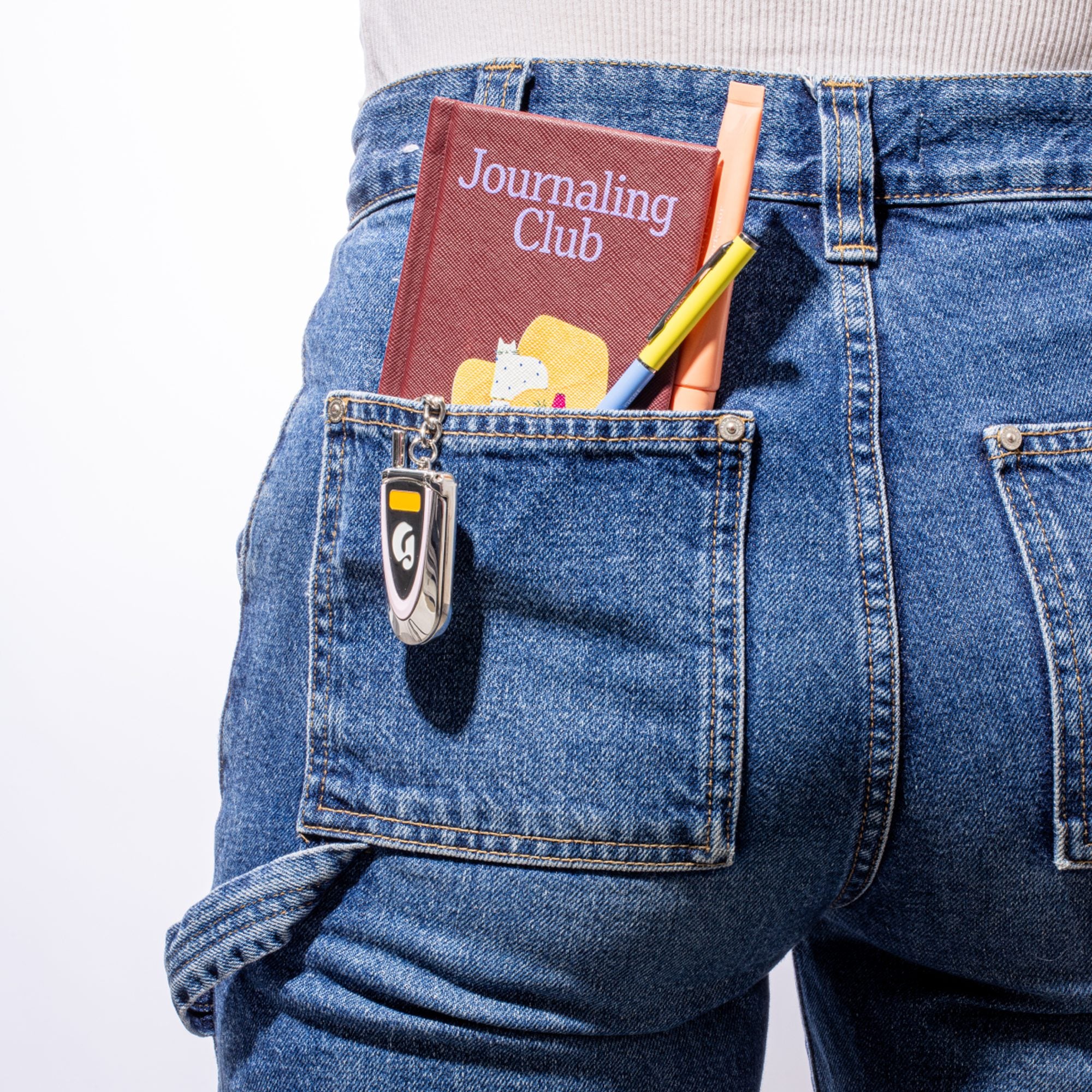





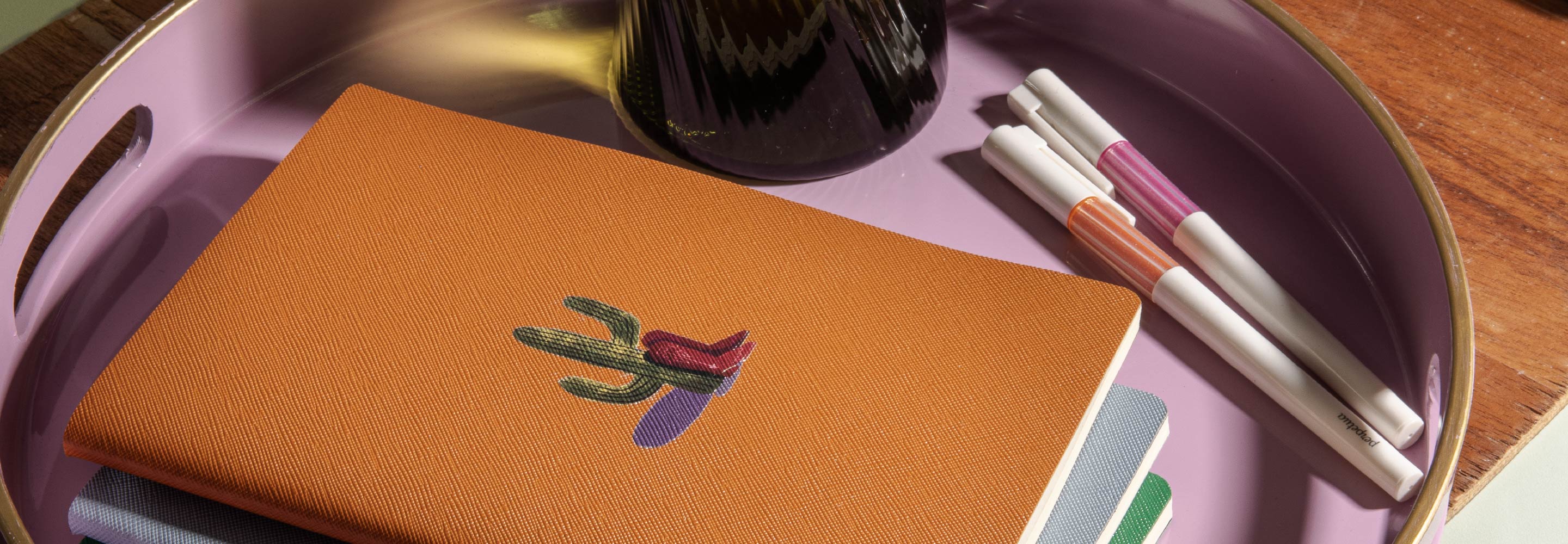
Someone gave you a beautiful notebook. You opened it, closed it again, and it's been sitting on your nightstand for weeks, next to the charger. Not for lack of wanting to: you're afraid of ruining the first page.
To start journaling you only need three things: a notebook, a pen and five minutes a day. You don't need nice handwriting or anything important to say. You write what happened, what you felt or what keeps going round in your head, without correcting it and without anyone reading it. That's already journaling. Everything else —methods, prompts, templates— comes later, if it helps.
What is journaling?
Journaling is writing by hand, fairly regularly, about what you live, think or feel, with no fixed format and without anyone else reading it. It's like a personal diary, but it doesn't have to recount your day: lists, questions, plans and loose ideas all fit too. If you're curious about the difference, we explain it here: journaling vs. a personal diary, and if you want the full story, what journaling is.
What do you need to get started?
Less than you think.
- A journal notebook you actually want to open. It doesn't have to be expensive, but it has to feel like yours. If it intimidates you so much you don't want to use it, it's not the right one.
- A pen that doesn't fight you. One that doesn't smudge or skip. It sounds like a detail, but it's what makes writing feel easy or heavy.
- A set time. In the morning with your coffee, in the afternoon before leaving the office, at night before bed. The time matters less than repeating it.
That's it. You don't need colored markers, stickers or a Pinterest board full of examples. If one day you feel like decorating, decorate. Today you don't have to.
How to journal: what to write on the first page
The first page feels heavy because it seems like a statement. It isn't. It's just another page, and you can use it to take the weight off all the ones that follow.
Three ways to break it in:
- Write the date and how your day went. Literally. “I got up late, traffic was awful, my mom's cooking cheered me up.” That's enough.
- Make a list. What's worrying you this week, what made you happy, what you've been putting off for months. Lists are the gentlest way into writing.
- Write to the notebook. “I bought you because I wanted…” and finish the sentence. The first few lines feel strange, and then they don't.
And if nothing comes out at all, write that: “I don't know what to write.” An honest page that says that is worth more than a perfect blank page.
If the blank page holds you back, here are ideas for what to write in a diary.
How much should I write each day?
Enough that it doesn't feel like homework. For most people, that's between five and 10 minutes, or half a page.
A few ideas to make the habit stick:
- Set the bar low on purpose. “Three lines a day” is a goal you meet even when you're tired. “Two pages a day” is a goal you abandon by Thursday.
- Keep the notebook in sight. On your nightstand, on the table where you have breakfast, in your backpack. What goes in a drawer gets forgotten.
- Tie it to something you already do. After your first coffee. Before turning on the TV. While the water heats up for tea.
You don't have to do it every day for it to count. Some people write three times a week for years and it works just as well.
What if I skip days?
You're going to skip days. We all do. A heavy week at work, a trip, a month when you just didn't feel like it.
That's fine. Journaling isn't a streak that breaks, it's a place you come back to. When you return, don't write “sorry I haven't written” or try to catch up on everything that happened. Write today's date and start from here.
A notebook with gaps, with empty weeks and then three days in a row of writing a lot, is a notebook that's truly been used. Almost all of them look like that.
What are the benefits of journaling?
There's no way to do it wrong, and the benefits show more in practice than in theory. These are the signs people who write tend to mention:
- You reread something from a month ago and remember a day you'd already forgotten.
- You write about something that had you uneasy and, when you finish, your head feels a little more organized.
- You start noticing patterns: which days are harder, what puts you in a good mood, which worry comes back every week.
If after a few weeks you feel you always write the same thing, change the format. Try guiding questions, lists, writing only at night, or a bullet journal, which mixes to-dos and notes on the same page. Journaling prompts, questions that give you a place to start, are made for exactly that.
Choose a notebook that doesn't scare you
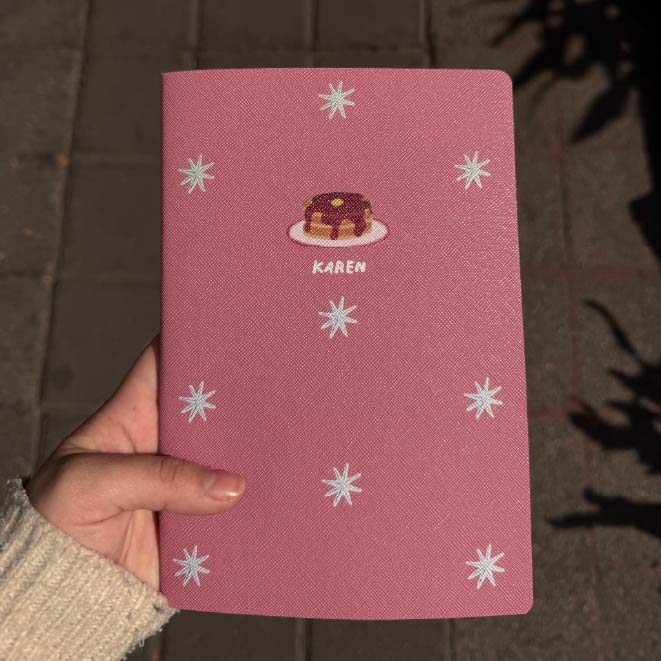
To start, it helps to have a notebook that doesn't feel like a huge commitment. The Softcover Notebook has 100 pages, measures 13.4 × 20 cm and is light, so it fits in your bag and gets filled in a reasonable time. Finishing your first notebook, even if it takes months, feels different from abandoning it halfway. And you start the next one without fear. If you don't have a notebook yet, here's how to choose your first journal.
Frequently asked questions
Is journaling the same as keeping a personal diary? They're similar. A personal diary usually recounts the day; journaling includes that and also lists, questions or plans. To start you don't need any method: a notebook and five minutes are enough.
Is it better to write in the morning or at night? It depends on what you use it for. In the morning it helps you organize the day ahead; at night, to let go of the one that's over. Try both for a week and keep the one you repeat without effort.
Can I journal on my phone? You can, but writing by hand makes you slow down and keeps you away from notifications. Many people start on their phone and end up switching to paper for that reason.
Leave a comment
This site is protected by hCaptcha and the hCaptcha Privacy Policy and Terms of Service apply.