







The recipe book sits on the kitchen shelf, between the sugar jar and the spice jar. It has a chocolate stain on one corner and a photo of grandma taped inside. Nobody has to open it to know whose it is.
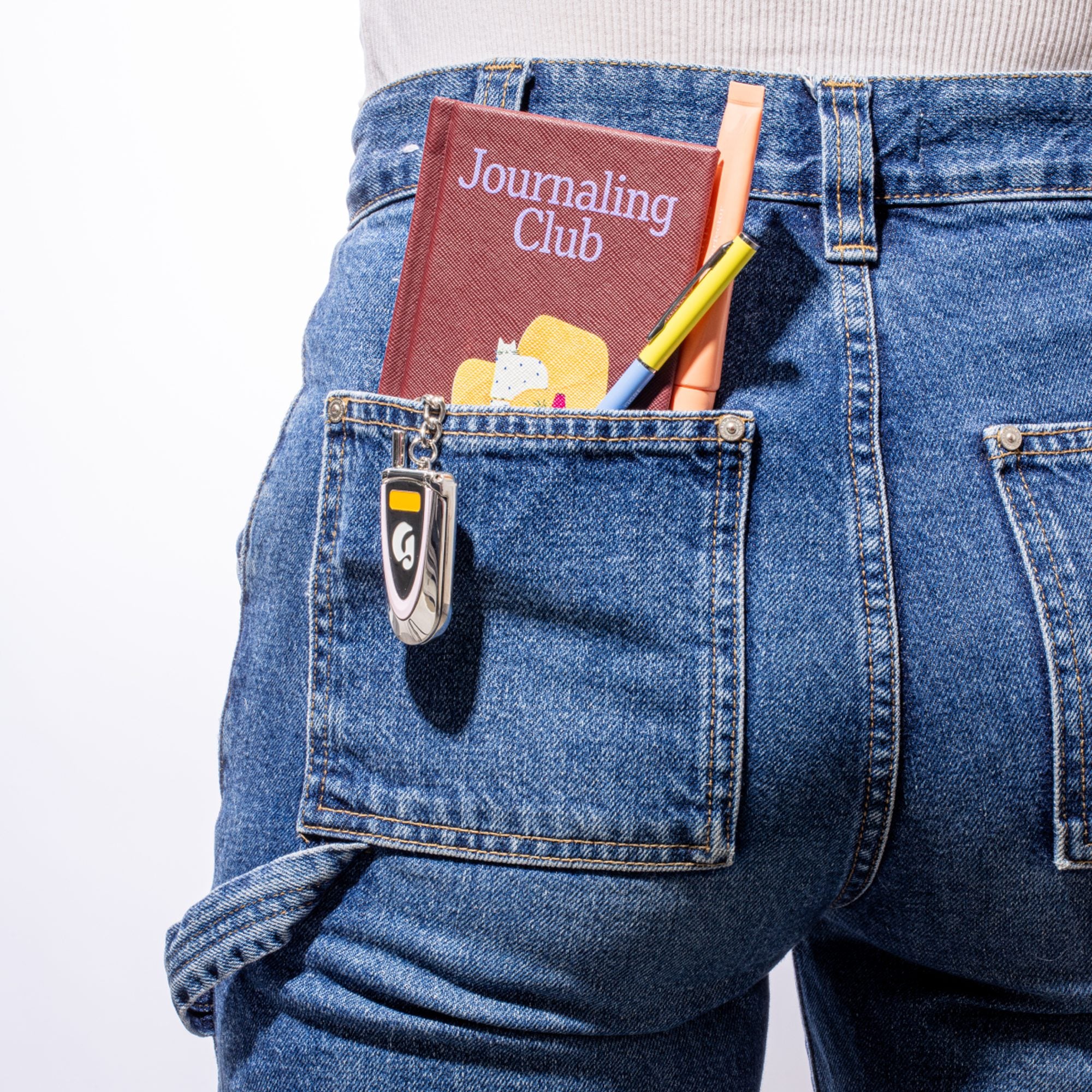
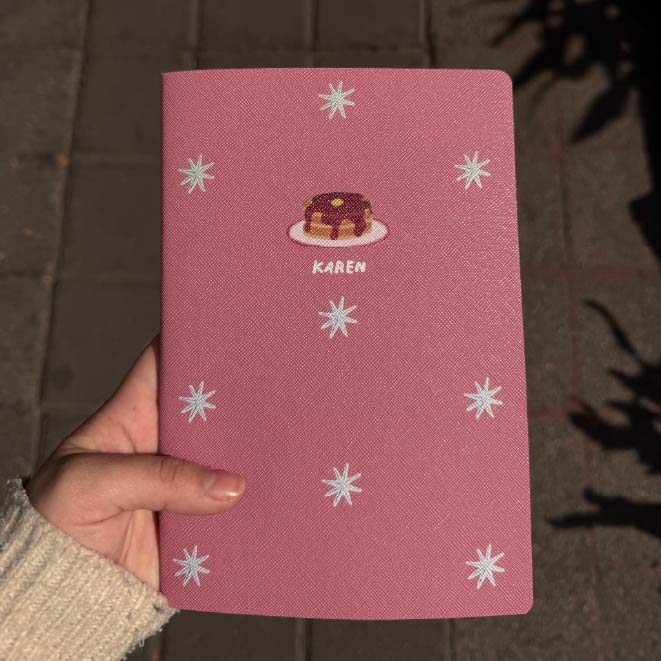
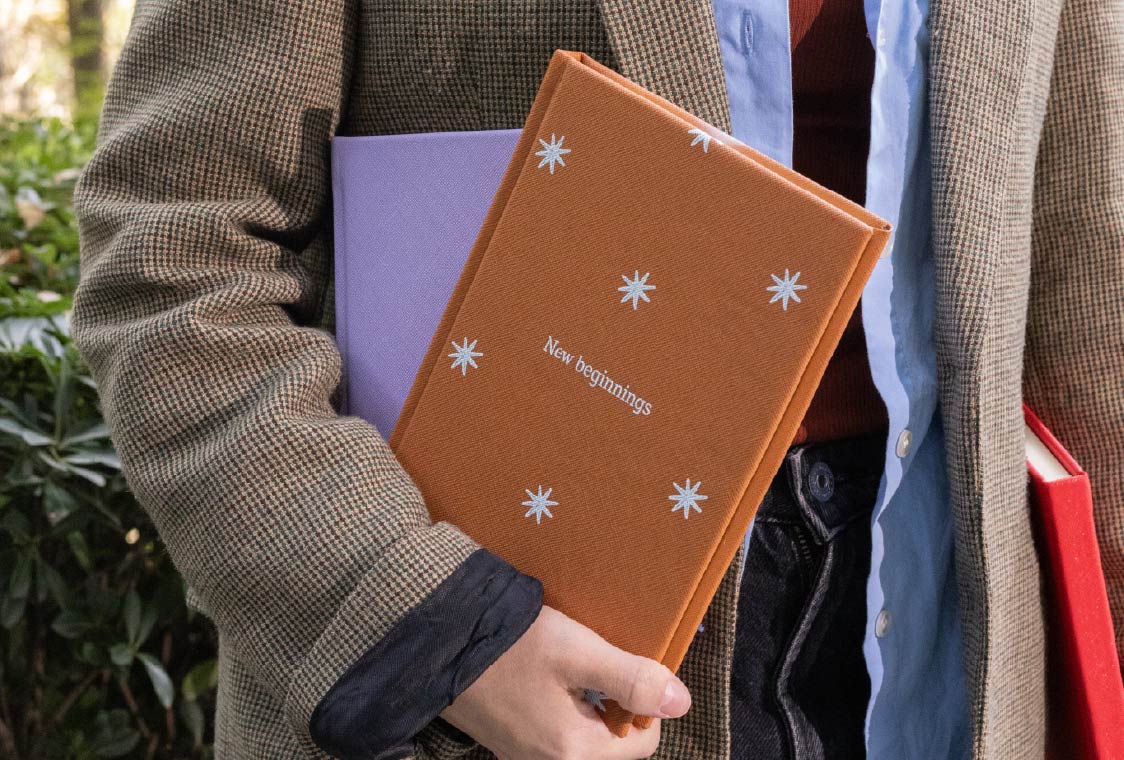
A good recipe book cover tells you whose it is and what it holds: the name of the family or the person, a simple title and, if you like, a visual element that connects with the cooking in that home. You don't need to know how to design. What makes a cover special is that it's recognizable, and the same goes for the dividers: they should tell you where everything is without flipping through the whole thing.
What to put on a recipe book cover
Think of the cover in three parts, from top to bottom:
- A title. “Recipes from home”, “Mamá Lola's kitchen”, “What we eat on Sundays”. Short and in your own words is best.
- A name. The family's, the cook's, or the person who will inherit it.
- A detail. A year, a city, a drawing, a phrase people say in that kitchen.
With two of these three you already have a cover. With all three, you have one nobody else can have.
Cover ideas by style
There's no single way to do it. Some ideas that work:
- Classic. Just the title and the family name, centered. Understated and timeless.
- With a photo. A photo of grandma in the kitchen, of the table set for Christmas or of hands kneading dough.
- Illustrated. A simple drawing: a wooden spoon, a pot, a lime. Even if you don't draw, a simple line looks good.
- Handwritten. The title written by the person the recipes belong to. If it's grandma's handwriting, even better.
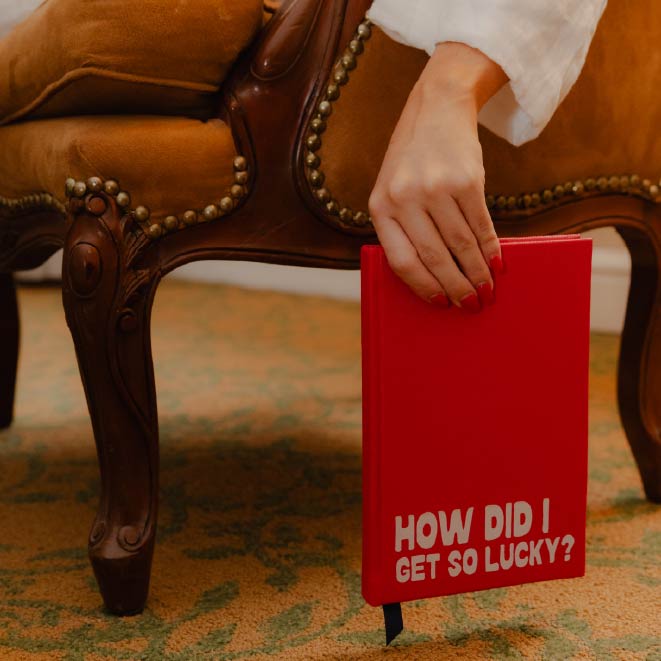
- With a phrase. “Here we cook slowly”, “A tested recipe is a kept recipe”. A phrase your family already says is worth more than an invented one.
If the recipe book is a gift, the cover can carry the name of the person receiving it: “Ana's recipes”. That way it's hers from day one.
Ideas for the dividers
Dividers are what make a recipe book get used in the kitchen instead of just stored away. Organize them by how you cook, not by how a cookbook looks:
- By meal: breakfast, starter, lunch, dinner, dessert.
- By occasion: everyday, Sunday, party, Christmas.
- By person: grandma's, mom's, auntie's.
- By main ingredient, if you cook a lot of the same thing.
To design them, use the same style as the cover: if the cover is understated, keep the dividers understated; if it has drawings, add a small drawing on each tab. A rule that helps: one color or one icon per section, and always the same one.
The first page: the spot almost nobody makes the most of
Before the first recipe, leave a page to tell where it all comes from. Ideas:
- A dedication: who it's for and why.
- A photo of the kitchen, the family or the table.
- A list of who contributed each recipe.
- The phrase the person who cooked the most always used to say.
It's the page someone will read many years from now. It's worth writing it slowly.
A recipe book that already comes organized
If you don't want to build the dividers from scratch, the Recetario Perpetua already has them. It's a 22 × 24 cm ring binder with 60 sheets, an index, dividers for breakfast, starter, lunch, dinner and dessert, a cooking cheat sheet and a measurement chart. Since it's a ring binder, the sheets can be moved around, so the order adapts to your kitchen and not the other way around.
On top of that you can add your own touches: the dedication on the first sheet, a photo taped inside, a hand-drawn icon on each divider. If you'd like to know where this tradition comes from, the history of recipe books takes you through the whole story.
And so every page looks the same, here’s a recipe template you can copy.
In the end, a good cover isn't the prettiest one. It's the one someone recognizes from across the kitchen.
Frequently asked questions
What should a recipe book cover include? A title, a name and, if you like, a detail: a year, a photo, a drawing or a phrase from that kitchen. With two of those three elements it already looks complete.
How do you divide a recipe book into sections? By how you cook at home. The most common way is by meal (breakfast, starter, lunch, dinner and dessert), but it also works by occasion or by the person who contributed each recipe.
Does the Recetario Perpetua come with dividers? Yes. It has dividers for breakfast, starter, lunch, dinner and dessert, plus an index, a cooking cheat sheet and a measurement chart, in a 22 × 24 cm ring binder with 60 sheets.
Leave a comment
This site is protected by hCaptcha and the hCaptcha Privacy Policy and Terms of Service apply.