










Recipe books are a fundamental part of our culinary culture, yet we rarely stop to think about their history and evolution. From the first clay tablets to today's digital apps, recipe books have reflected social, technological and culinary changes over the centuries. Let's explore how these culinary treasures have evolved and what they mean to us today.
The First Recipe Books: Clay Tablets and Manuscripts
The history of recipe books goes back to ancient Mesopotamia, where some of the first written recipes were found on clay tablets dating from the 18th century BC. These recipes weren't just cooking instructions; they were also a way to record and pass on culinary and medicinal knowledge. In ancient Greece and Rome, recipe books began to take a more defined shape. One of the best known is "De re coquinaria," attributed to Apicius, a Roman text from the 1st century AD that gathers a wide variety of recipes and cooking techniques.
The Middle Ages and Monastic Manuscripts
During the Middle Ages, most recipe books were handwritten manuscripts, found mainly in monasteries. Monks didn't only copy religious texts; they also recorded recipes and farming methods. These medieval recipe books often contained very detailed and complex recipes, reflecting the culinary customs of the nobility and the church.
The Printing Press and the Spread of Recipe Books
Johannes Gutenberg's invention of the printing press in the 15th century revolutionized the spread of knowledge, including recipes. One of the first printed recipe books was "De honesta voluptate et valetudine" by Bartolomeo Platina, published in 1475. This book offered not only recipes but also advice on diet and health. As printing spread across Europe, recipe books became more accessible, allowing more people beyond the nobility and clergy to access culinary culture.
The 19th Century and the Rise of Home Recipe Books
The 19th century saw an explosion in the popularity of home recipe books. With rising literacy and a growing middle class, more people began cooking at home. Books like Isabella Beeton's "Mrs Beeton's Book of Household Management," published in 1861, became bestsellers and essential guides for homemakers. These books offered not only recipes but also advice on running a household, reflecting the gender roles of the time.
The 20th Century and the Diversification of Recipe Books
With the arrival of the 20th century, recipe books began to diversify. The industrialization of food production and globalization introduced ingredients and cooking techniques from all over the world. Books like Irma S. Rombauer's "Joy of Cooking" and Julia Child's "Mastering the Art of French Cooking" became essential references in many homes. In addition, the arrival of television and later the internet made way for cooking shows and food websites, further expanding access to recipes and techniques.
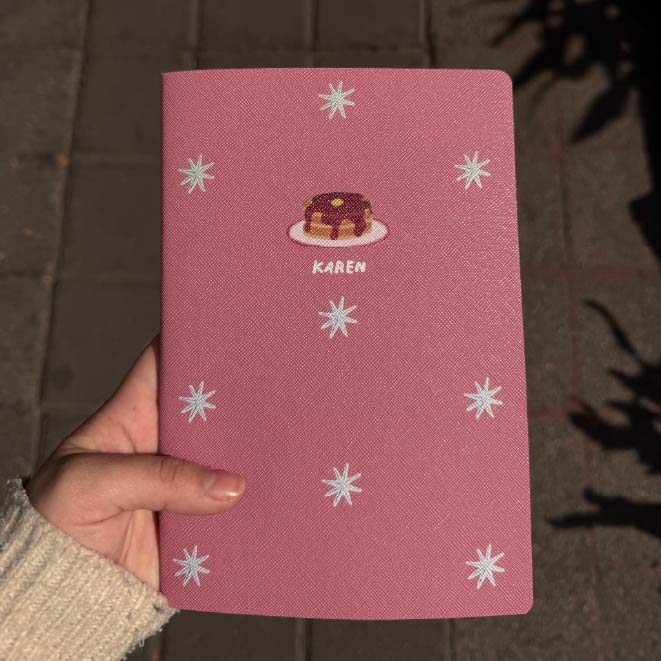
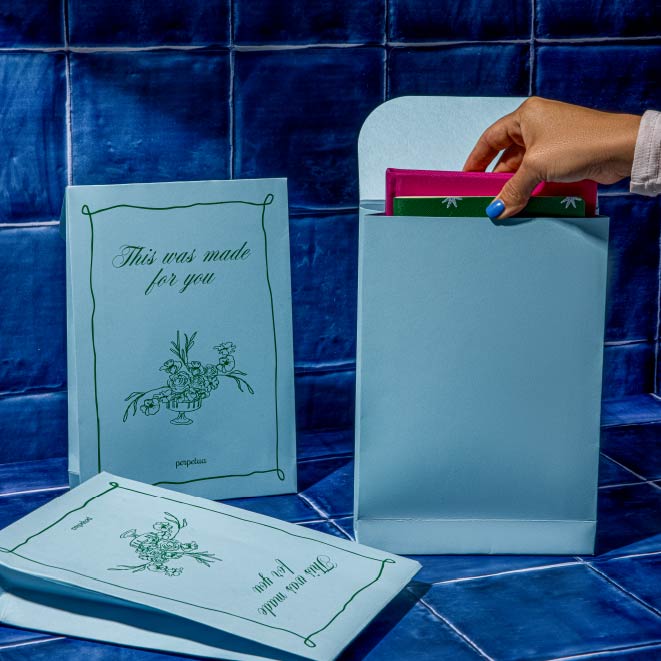
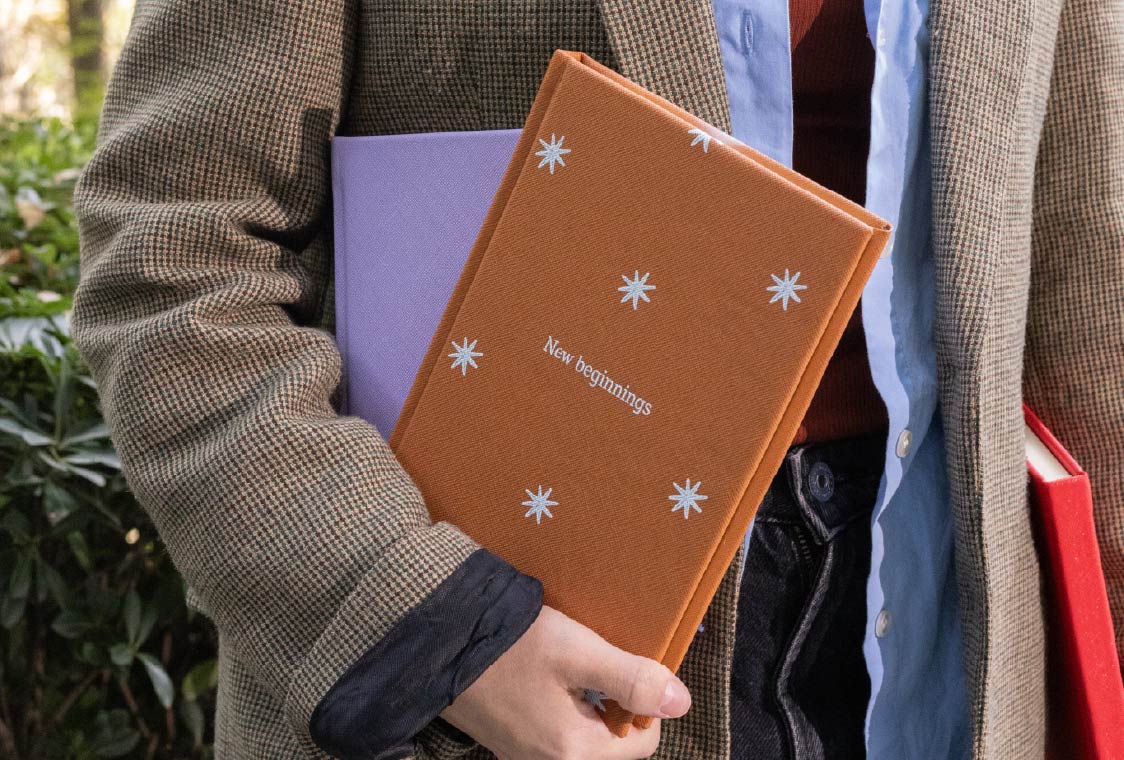
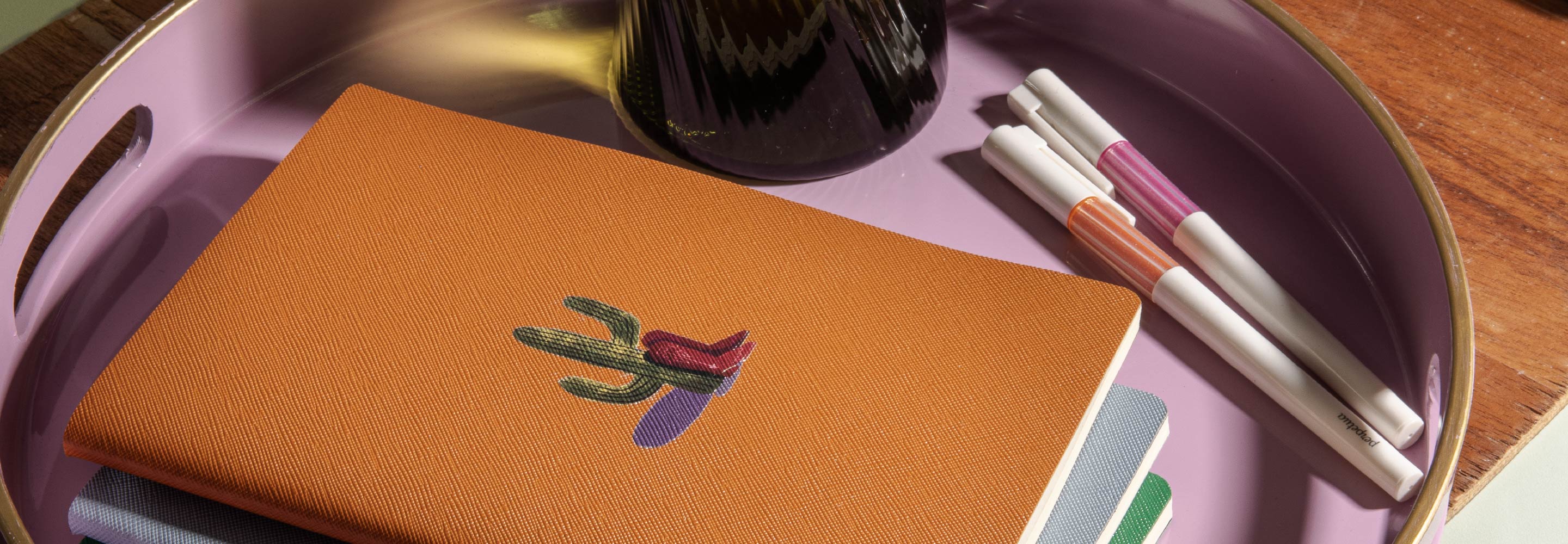
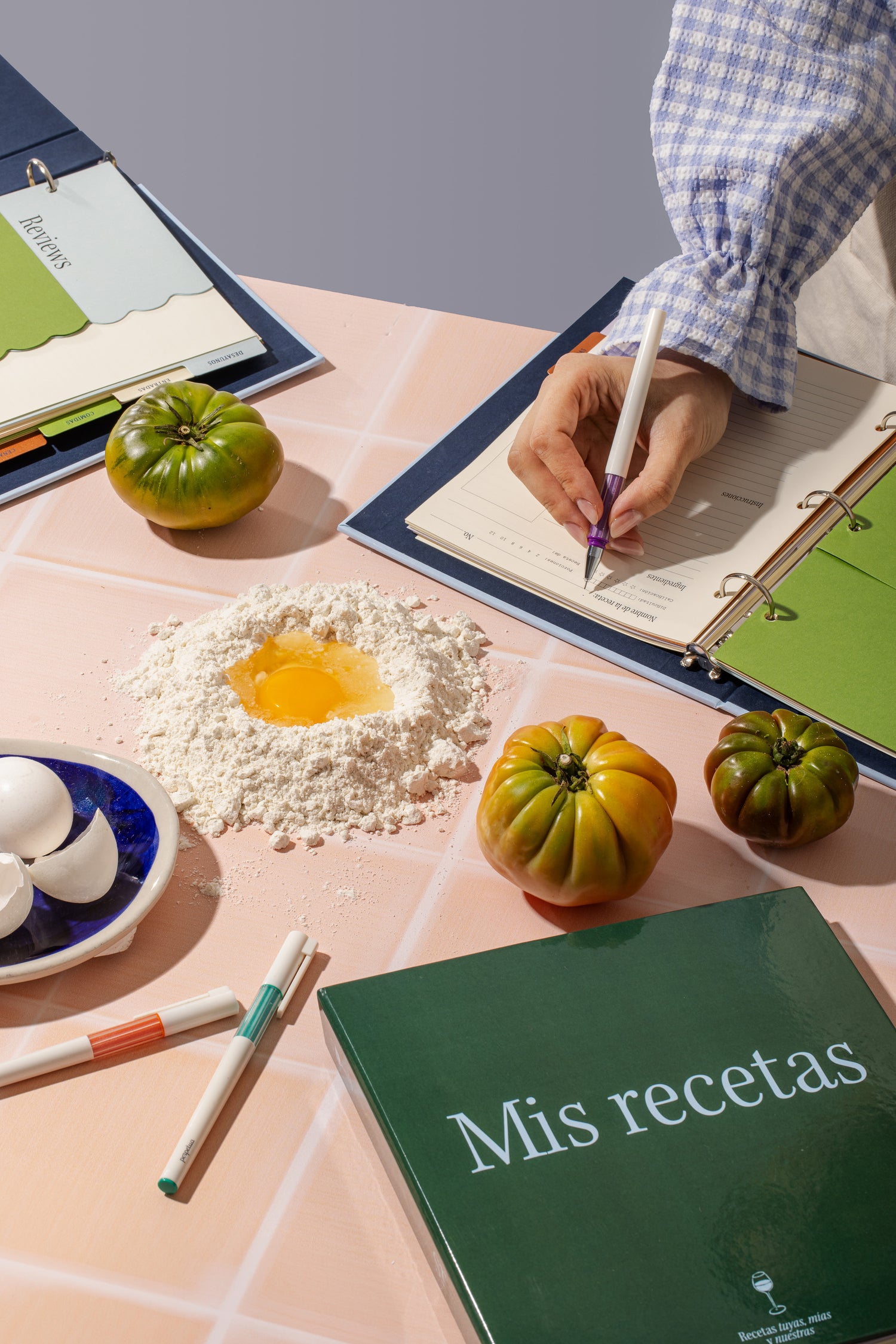
Perpetua Recipe Journal
A journal for capturing your recipes, mine and ours, written on paper. Our Recipe Journal is a one-of-a-kind binder-style journal for all foodies and food lovers. It lets you write down that favorite, extra-special recipe on paper so you can come back to it whenever you're ready to make it. The binder format lets you add and/or rearrange the pages and sections inside however you like. It includes sections for: cheat sheet, reviews, breakfasts, starters, lunches, dinners, desserts, and lined pages.
The Importance of Recipe Books in Culinary Culture
Recipe books are more than simple collections of recipes; they are witnesses to our history and culture. They reflect the ingredients available, the cooking techniques and the social customs of each era and place. Recipe books have also been a crucial tool for passing on culinary knowledge, allowing food traditions to be preserved and handed down from generation to generation.
Conclusion
From the clay tablets of Mesopotamia to today's digital apps, recipe books have been faithful companions in the evolution of cooking. They have recorded and spread knowledge, adapting to technological and social change over the centuries. In an increasingly connected and globalized world, handwritten recipe books remain a wonderful way to share our favorite recipes, and the richness of culinary culture, with the people we love.

Leave a comment
This site is protected by hCaptcha and the hCaptcha Privacy Policy and Terms of Service apply.