






You turn the page and there's none of that thin rustle of a school notebook. The page has body. You write with your usual pen, flip the page, and on the other side your writing barely shows through.
90 gram paper means that a sheet of that paper measuring one meter by one meter would weigh 90 grams. That number is called paper weight (or grammage) and is written as 90 g or 90 g/m². The higher the weight, the heavier and, in general, the thicker and firmer the paper feels. That's why you notice it when you write: the page feels more substantial under your hand, ink tends to show through less on the other side and the pages hold up better as you turn them again and again.
What is paper weight?
Paper weight is a way of measuring paper by how much it weighs, not by its thickness. It's calculated as the weight of one square meter of that sheet. If a square meter weighs 90 grams, the paper is 90 g.
It doesn't directly measure how thick it is, but in papers of the same type the two usually go together: more weight, more body. That's why it's the figure most often used to compare the paper in notebooks.
A few general reference points:
- Printer or copy paper. The kind you use at the office is usually around 75 to 80 g. It's the paper that wrinkles easily and lets what you wrote show through on the other side.
- Notebook paper for daily writing. This is where higher weights make a difference. A 90 g notebook feels different from the very first page.
- Cardstock and art papers. They're far heavier, and they're no longer meant for writing page after page.
Why can you feel the difference when writing on 90 g paper?
You notice it at three moments.
When you rest your hand. The page has more body and doesn't feel fragile. You can write with pressure, the way a lot of people write when they're thinking fast, without feeling like the pen is going to tear the page.
When the ink dries. On lighter paper, ink shows through and the next page carries the shadow of the previous one. On heavier paper that tends to happen less, so you can use both sides of each sheet. Keep in mind: it also depends a lot on the pen. A very inky felt-tip or a marker can bleed through almost any notebook paper.
When you turn the pages. A journaling notebook gets opened and closed many times. Pages with more body hold up better to use, curl less at the corners and a filled notebook still looks good months later (even if you've carried it in your backpack the whole time).
What is ivory bond paper?
Paper weight tells you how much the paper weighs. The type and color tell you how it looks and feels.
- Bond is a type of paper for writing and printing, with a smooth surface that takes ink from most pens well.
- Ivory means it isn't bright white but a warm tone, like bone or ivory. It's easier on the eyes than white, especially if you write at night under warm light.
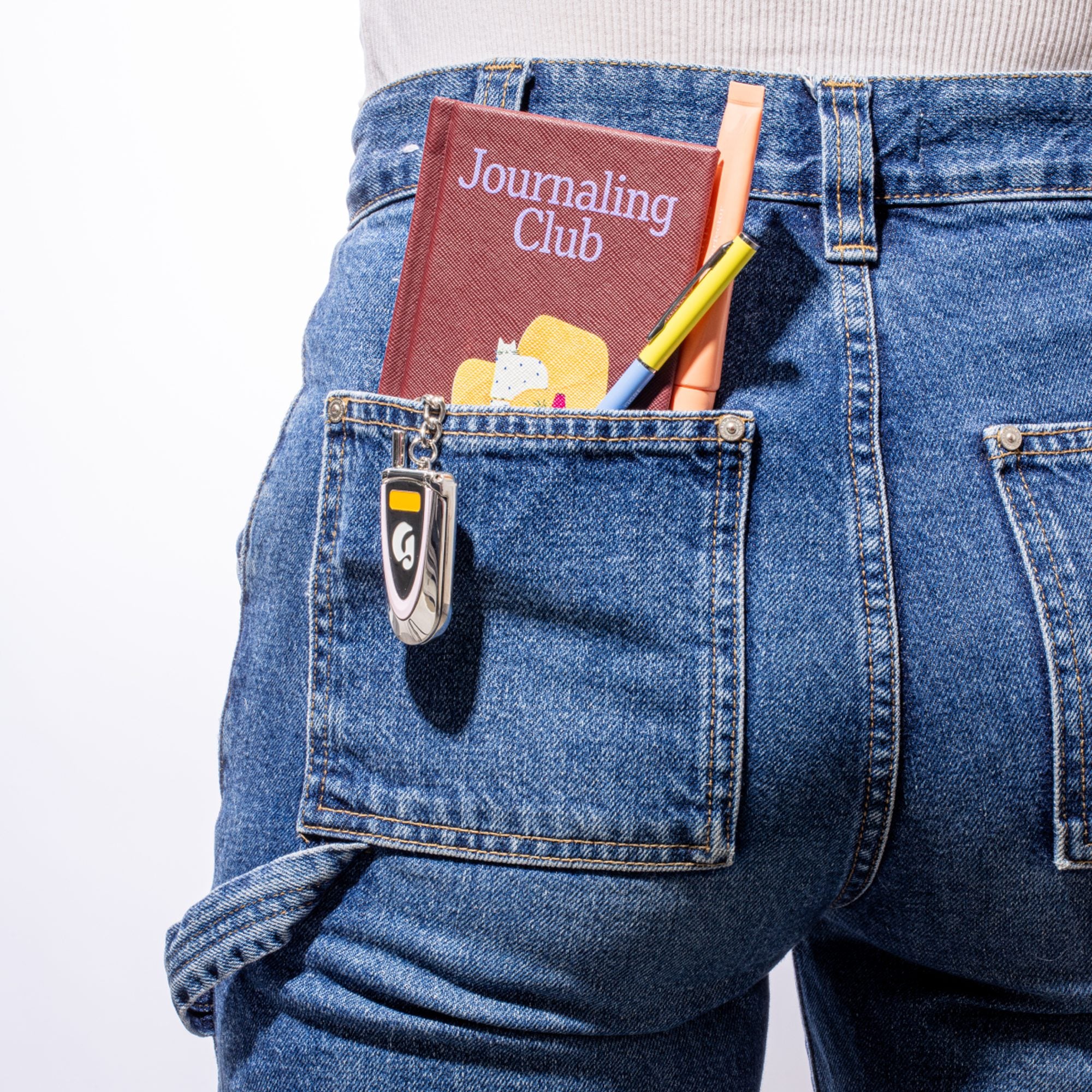
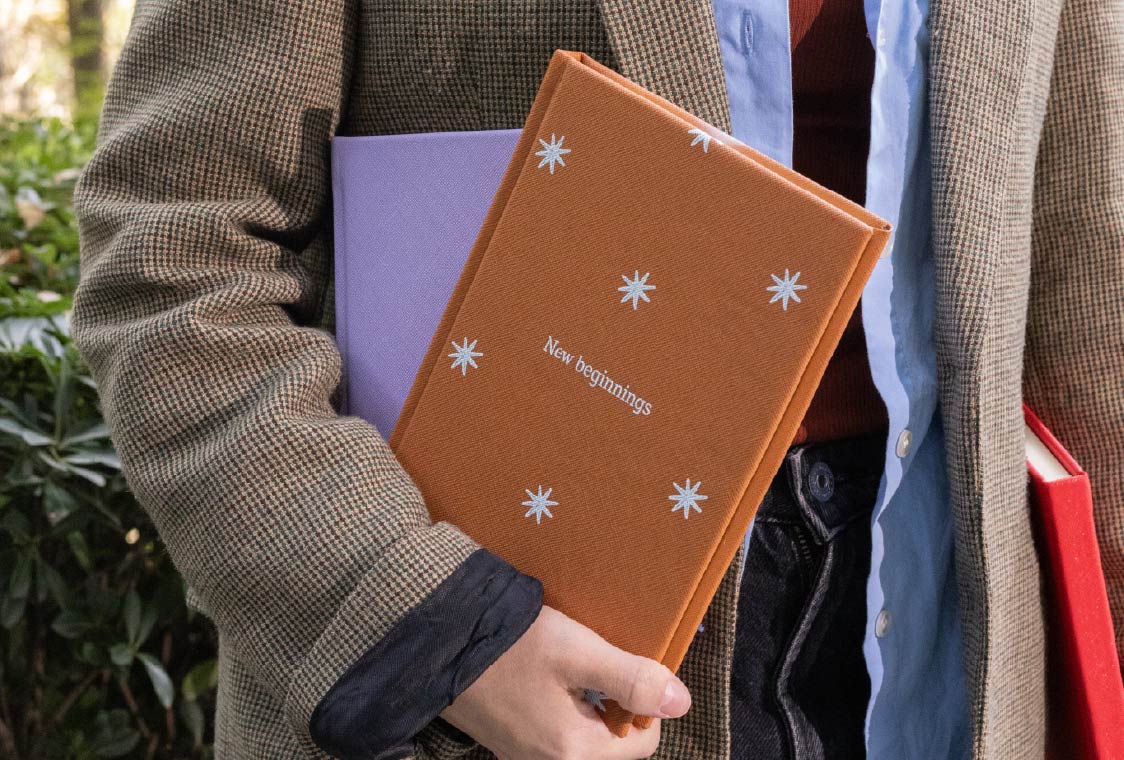
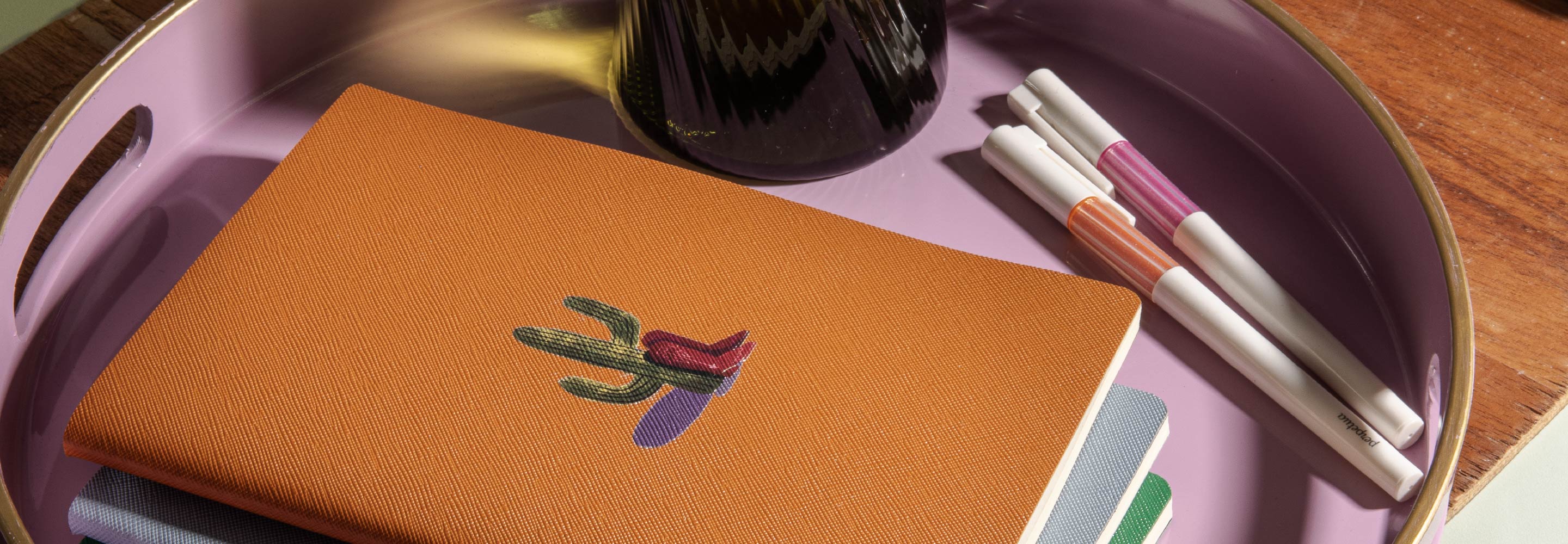
Perpetua notebooks, hardcover, softcover, planner and Mini Pocket, use 90 g ivory bond paper. If you want to see it in a notebook for writing every day, the Libreta Pasta Dura has 192 pages of that paper and lies flat.
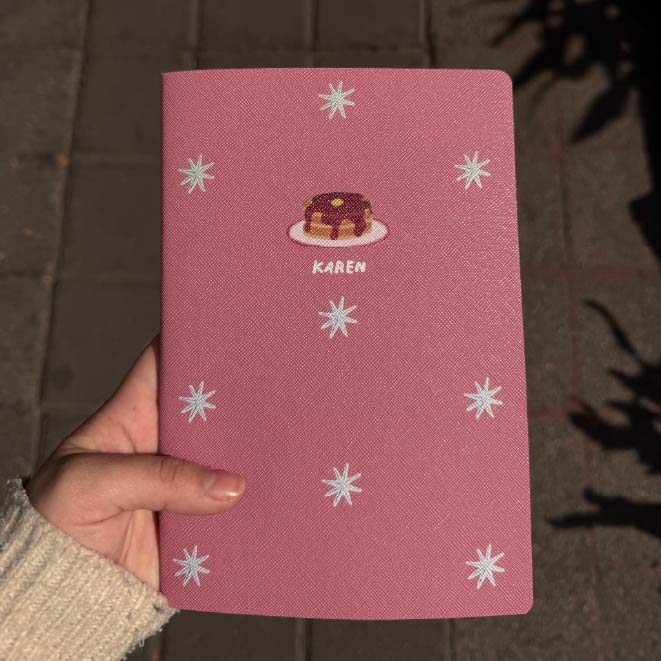
If you want it with your name on the cover, you’ll find it among our personalized notebooks.
Which pens work best on 90 g paper?
There's no single answer, because every pen lays down more or less ink. As a general rule:
- Ballpoint and fine gel pens. They usually work very well: they dry quickly and barely show through.
- Fine-tip felt pens. They work, but it's worth testing first how much they show on the other side.
- Highlighters. Fine for highlighting a word. For coloring half a page, better not.
- Thick felt pens, markers and watercolor. They're meant for art papers, which are much heavier. In any writing notebook they can bleed through or wrinkle the page.
How to test your pen before you start
Before you break in your notebook, go to the last page and do a test:
- Write a line with each pen you plan to use.
- Draw a thick stroke and a dot where you press hard.
- Wait a minute and turn the page.
What you see on the other side tells you which pens to use on both sides and which to save for just one. And that test page becomes your first written page: no more intimidating blank page.
If you're about to start your notebook and don't know what to write in it, here's a guide to what journaling is to get you going.
Frequently asked questions
What does 90 g mean on a notebook? It's the paper weight: one square meter of that sheet would weigh 90 grams. In general, the higher the number, the more body the page has and the less your writing shows through.
Does 90 g paper show through? With ballpoint and fine gel pens, very little. With very inky felt pens or markers it may show on the other side, so it's a good idea to test on the last page.
What's the difference between 90 g paper and printer paper? For handwriting, 90 g paper feels more substantial than regular printer paper, which is usually between 75 and 80 g, and ink shows through less.
Leave a comment
This site is protected by hCaptcha and the hCaptcha Privacy Policy and Terms of Service apply.