







You open the kitchen drawer and there they are: the movie ticket from two months ago, the label from the coffee bag, a birthday card, a stamped envelope. You always think about throwing them out. You never do.
A junk journal is a journal made from papers you were going to throw away: tickets, envelopes, labels, wrappers, magazine clippings, loose sheets. “Junk” means scrap or worthless stuff, and that's exactly the idea: giving a second life to what's left over. You can build one from scratch, sewing or gluing different papers together, or on top of a notebook you already have, filling its pages with collage. There are no style rules. What makes it a junk journal is that it's made from what you found.
How it differs from a scrapbook or a diary
They're similar, but they're not the same:
- A diary is mostly text: what happened, how you felt.
- A scrapbook usually organizes photos and keepsakes around a theme or an event, with materials chosen for that purpose.
- A junk journal mixes writing and collage, and uses recycled materials. It's freer, messier and almost always more tactile.
You can combine all three. Many junk journal pages have a written paragraph on top of a collage.
What materials to use
The beauty of a junk journal is that you already have almost everything at home:
- Papers: envelopes, paper bags, pages from old books, wrapping paper, sheet music, maps.
- Keepsakes: tickets, receipts, labels, postcards, cards, museum brochures.
- Textures: fabric, lace, thread, dried flowers, cardboard.
- For sticking and joining: glue stick, washi tape, clips, staples.
- For writing: a pen you like and, if you want, stamps or stickers.
A rule that helps: keep a box or a large envelope for collecting material. In a few weeks you'll have enough for several pages.
How to start: two paths
Path 1: build it from scratch. Gather sheets of different papers, fold them in half and sew or staple them down the middle. It's the most traditional junk journal, and each one turns out different.
Path 2: use a notebook as a base. If you don't want to do any binding, take a notebook and use it as the support: glue, sew or tuck your papers into its pages. It's the easiest way to start. A notebook that lies flat helps a lot, because collage makes the pages thicker and a notebook that keeps closing on its own fights you on every page.
Ideas for your first pages
- One page per month, with what you collected over those weeks.
- A trip told through tickets, maps and receipts.
- A café page with the labels, napkins and what you ordered.
- A letter to yourself written on a real envelope, with something tucked inside.
- A page of words cut out of magazines that speak to you today.
If you want more page ideas, here are bullet journal ideas that also go well with collage.
If one day you don't know what to write over the collage, use a question. What journaling prompts are has plenty to get you started.
Which notebook to use as a base
If you choose path 2, look for three things: a sturdy cover, so it can take the extra weight of the collage; paper with body, so the glue doesn't wrinkle it too much; and a binding that lies flat.
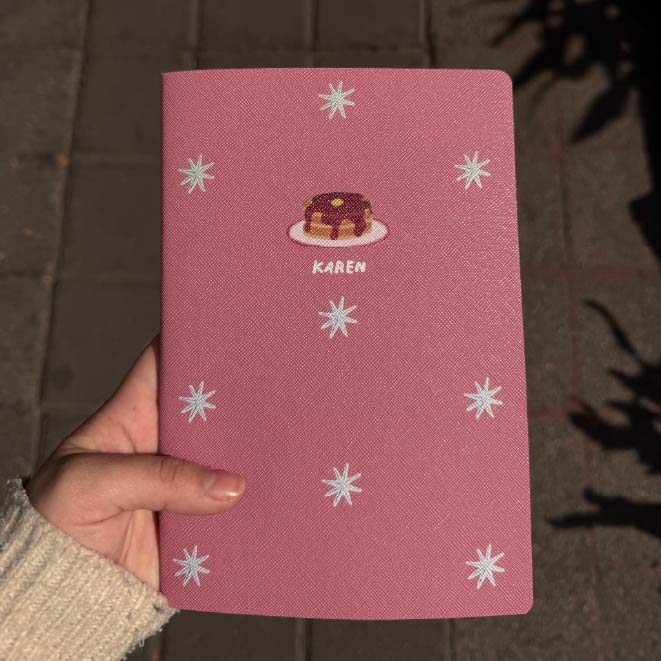
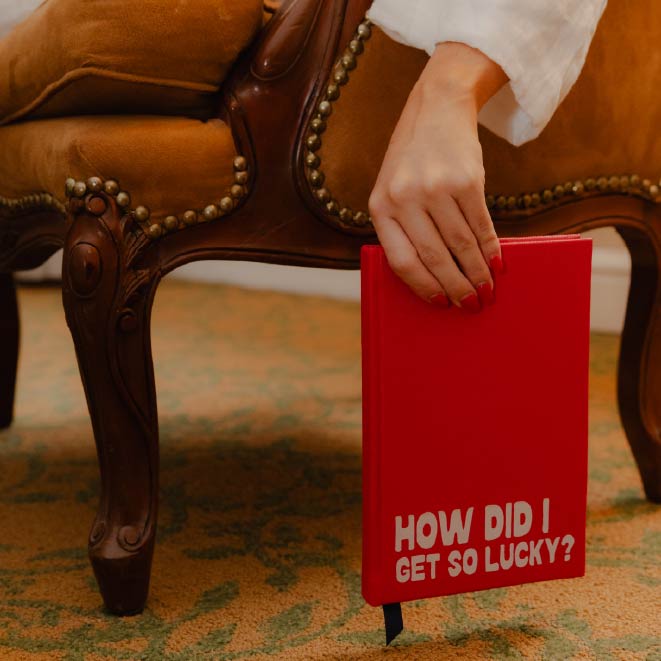
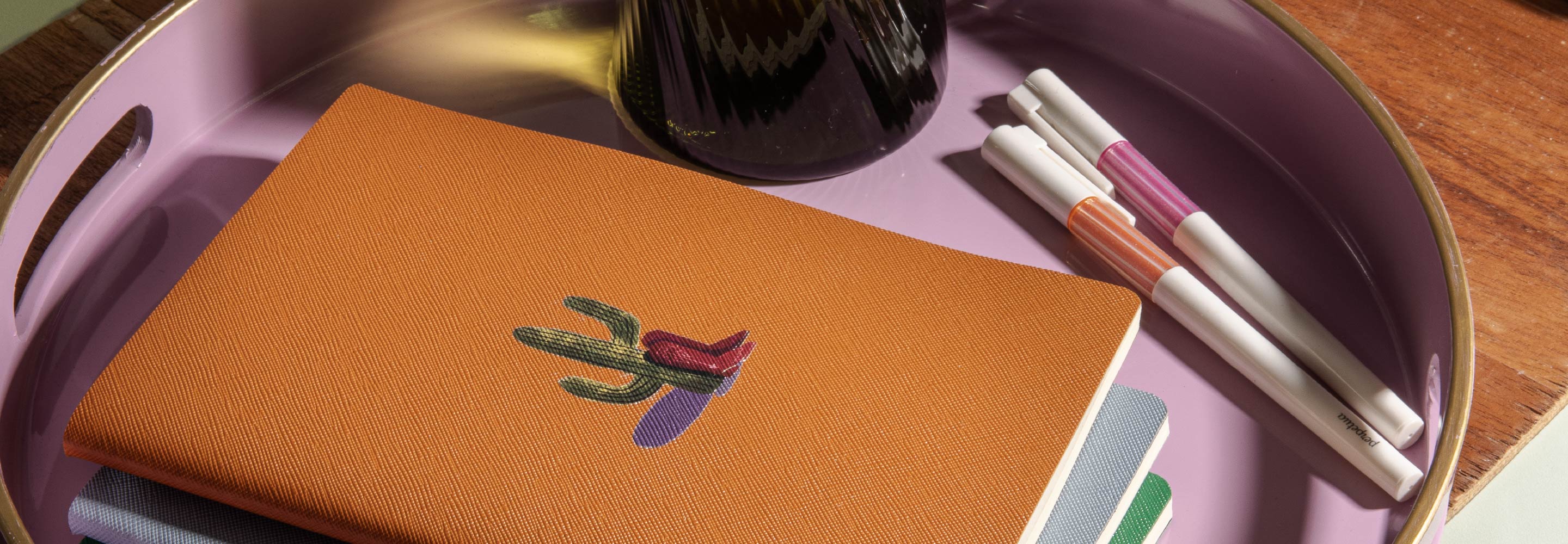
The Libreta Pasta Dura has a rigid board cover wrapped in faux leather, 192 pages of 90 g cream bond paper in blank or lined, and lies completely flat thanks to its sewn binding. With a blank interior, it leaves all the space for your clippings. A tip: since collage adds thickness to each sheet, alternate collage pages with writing-only pages, so the notebook still closes well when it's full.
How much time to spend on it
A junk journal isn't finished in a weekend, and it doesn't have to be. Some people put together a page every Sunday with what they collected that week, and some only open it when they come back from a trip. What matters is that collecting material becomes part of your day: keeping the ticket instead of throwing it away is already a start.
What's best avoided:
- Waiting until you have pretty material. A grocery receipt counts too.
- Using too much liquid glue. It makes the paper buckle. A glue stick or tape is better.
- Wanting every page to be perfect. A junk journal looks best when you can tell it's handmade.
If you decide to start yours, share your first page with The Journaling Club community.
Frequently asked questions
What is a junk journal? A journal made from recycled papers and keepsakes: tickets, envelopes, labels and clippings. It mixes writing and collage, and has no style rules.
What do you need to make a junk journal? Papers you were going to throw away, a glue stick or washi tape, scissors and a pen. If you don't want to do any binding, a notebook with a sturdy cover as a base.
What's the difference between a junk journal and a scrapbook? A scrapbook usually organizes photos and keepsakes around a theme with materials chosen for that purpose. A junk journal uses recycled materials and mixes collage with writing more freely.
Leave a comment
This site is protected by hCaptcha and the hCaptcha Privacy Policy and Terms of Service apply.